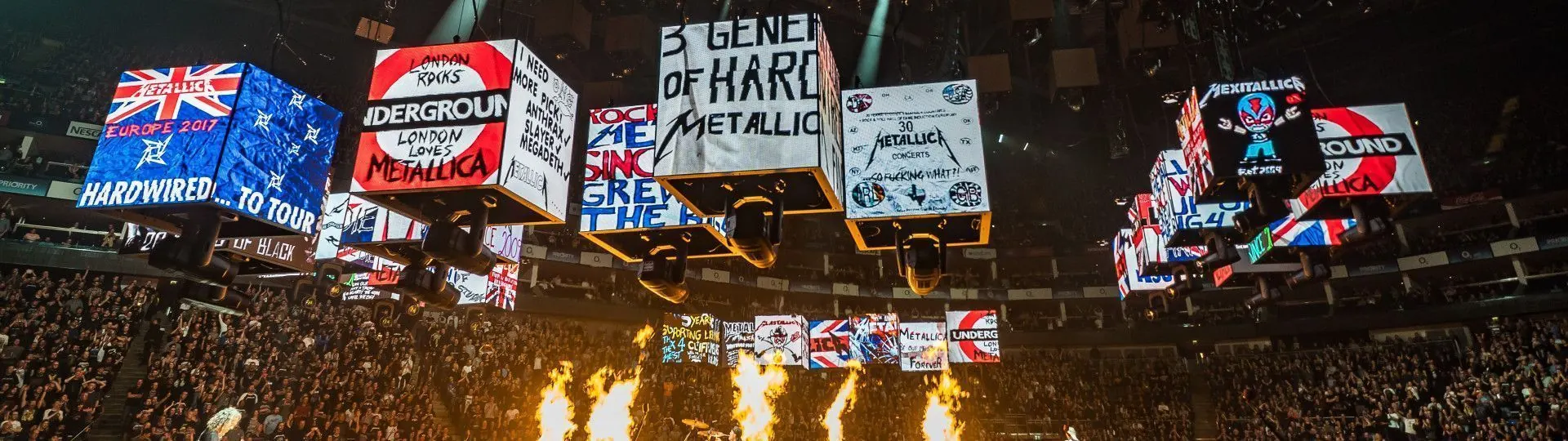
“How bright does an outdoor LED screen need to be?” is usually the first engineering question in any DOOH or facade project — and the most common source of overspend. Brightness costs money twice: once in the LEDs and power supplies you buy, and again every month in electricity and heat management. The right number is the lowest level that stays readable in your site’s worst conditions.
Nits, in plain terms
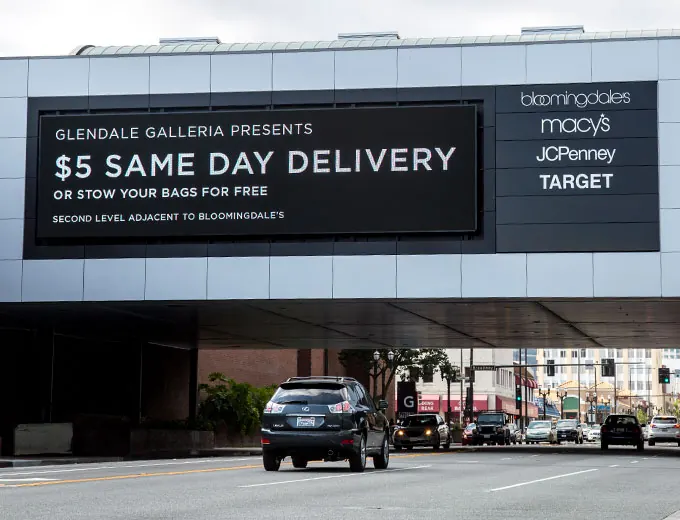
Brightness for LED displays is measured in nits (candelas per square metre). A laptop screen runs around 300 nits; a good indoor LED wall at 600–1,200 nits already feels vivid. Outdoors, the competition is the sun: indirect daylight calls for roughly 2,500–4,000 nits, and direct sun exposure typically demands 5,000–6,500 nits or more. Flagship highway billboards in harsh sun climates are sometimes specified at 8,000–10,000 nits.
Why more is not always better
Running a screen far above its site’s requirement creates three problems. First, power draw scales with brightness, so an oversized spec inflates operating cost for the screen’s entire life. Second, heat follows power, shortening LED lifespan and accelerating brightness decay. Third, an over-bright screen at night is not just wasteful — in many cities it is illegal, and it will certainly alienate neighbours and drivers.
That is why automatic brightness control matters as much as the peak figure. A light sensor that dims the screen to 30–40% at dusk preserves LED life, cuts the power bill and keeps the installation compliant with local light-pollution rules. Specify the sensor and the dimming curve, not just the maximum nits.
A site-first way to specify
Walk the site at noon and at dusk. Note the screen’s orientation: a south-facing wall in direct afternoon sun needs a very different budget from a shaded north facade. Consider viewing distance too — perceived brightness falls with distance and angle, so a screen watched from 150 metres can run lower than an identical one at a pedestrian crossing. Share these observations with your supplier and ask for a brightness recommendation tied to the site, not the top of the catalogue.
The hidden variable: brightness decay
All LEDs lose brightness over time — quality outdoor products typically retain 80%+ after years of service when driven sensibly, while overdriven or poorly binned products decay far faster. A screen specified with modest headroom and run at 70–80% of its capability will usually outlast a cheaper screen run flat-out at 100% every day. When comparing quotes, ask what brightness the product sustains after aging, not just what it shows on day one.
Bottom line
For most outdoor commercial sites, 4,000–6,500 nits with automatic dimming covers reality; reserve 8,000+ for genuinely sun-blasted premium locations. Spend the savings on better LEDs, better calibration and better weatherproofing — the things that decide how the screen looks in year five.
Brightness and content design
Content choices shift the brightness equation more than most buyers expect. Dark, cinematic footage needs high luminance to survive sunlight; bold, high-contrast graphics with bright backgrounds remain readable at much lower levels. Many successful DOOH networks run moderate-brightness screens and simply design content for daylight — white or vivid backgrounds, thick typography, minimal shadow detail. Before upgrading hardware, review what the screen will actually play. A content guideline document for your media team can be worth several thousand nits of specification.
Specification checklist
- Peak brightness matched to orientation and shading of the actual site
- Automatic brightness sensor with a documented dimming curve for dusk and night
- Expected brightness retention after multi-year aging, stated by the manufacturer
- Power consumption at typical daytime operating brightness, not just maximum
- Local regulations on night-time luminance and light spill
With those five answers documented, brightness stops being a datasheet beauty contest and becomes what it should be: an engineering decision tied to your site, your content and your power bill.
Measuring what you already have
For retrofit and upgrade projects, measure before you specify. A handheld luminance meter reading of the existing screen at noon tells you exactly what readability threshold you are fighting, and readings of surrounding surfaces show what the eye adapts to. Screens are judged against their environment, not against an absolute number — a 4,500-nit screen surrounded by sunlit white marble struggles more than a 4,000-nit screen against dark cladding. These measurements take an hour and routinely save buyers from both under-specification and expensive overkill.
Ask any supplier quoting a brightness upgrade to explain the recommendation against measured site conditions. If the answer is a catalogue maximum rather than a site-based calculation, keep asking.
A note on contrast and surface treatment
Perceived readability is a function of contrast, not brightness alone. Two screens at identical nits can read very differently in sunlight if one uses deep-black module masks and high-contrast LEDs while the other reflects ambient light off a greyer surface. Quality outdoor modules invest in black-face LEDs, light-absorbing louvers and matte surface treatments that preserve contrast exactly when the sun is strongest. When you evaluate brightness figures, ask what the screen’s contrast ratio looks like under illumination, not just in a dark demo room. A contrast-optimised 5,000-nit screen routinely outperforms a reflective 6,500-nit one in real daylight — and costs less to run while doing it.
Quick reference: brightness targets by site condition
| Site condition |
Typical brightness target |
Notes |
| Indoor commercial |
600 – 1,200 nits |
Already vivid; more is rarely needed |
| Outdoor, indirect daylight |
2,500 – 4,000 nits |
Shaded facades, north-facing walls |
| Outdoor, direct sun |
5,000 – 6,500 nits |
The working range for most commercial sites |
| Harsh-sun flagship locations |
8,000 – 10,000 nits |
Reserve for genuinely sun-blasted premium sites |
Common questions
Is a brighter screen always better?
No. Oversized brightness inflates the power bill for the screen’s whole life, adds heat that shortens LED lifespan, and can violate night-time light-pollution rules. The right number is the lowest level that stays readable in your site’s worst conditions — paired with automatic dimming at dusk.
Why do two screens at the same nits read differently in sunlight?
Readability is contrast, not brightness alone. Deep-black module masks, black-face LEDs and matte surface treatments preserve contrast when the sun is strongest. A contrast-optimised 5,000-nit screen routinely outperforms a reflective 6,500-nit one in real daylight.
How fast does brightness decay?
Quality outdoor products typically retain 80%+ after years of service when driven sensibly. Screens run flat-out at 100% every day decay far faster — modest headroom is a lifespan strategy, not a luxury.
Talk to us about your project
Every project in this guide starts with the same step: a conversation about your site, your content and your budget. Explore the Sun Flare series to see how we build for this application, or contact our engineering team for a specification review and a side-by-side demo proposal.
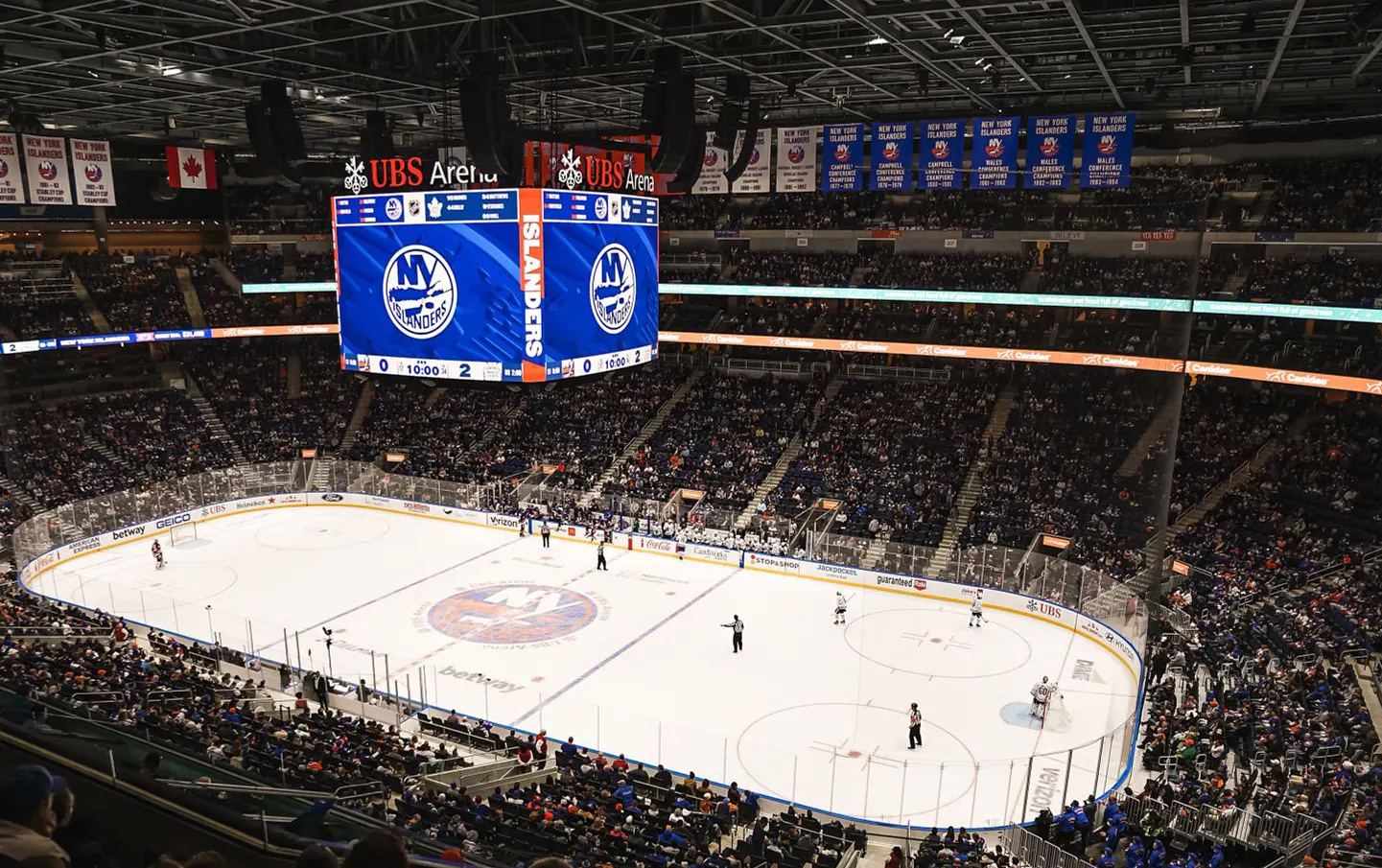 TL Traveling LightRental & Touring LEDP1.25 – P3.91
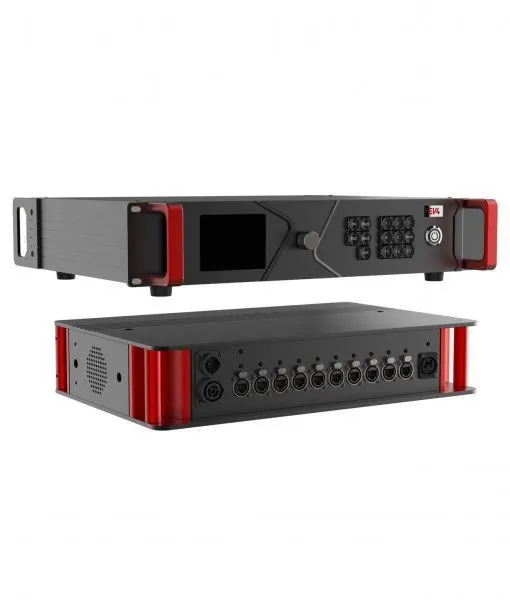 BL Beam LockRental Hard-Connection LEDCable-free hard connectionIndoor Fixed LED→
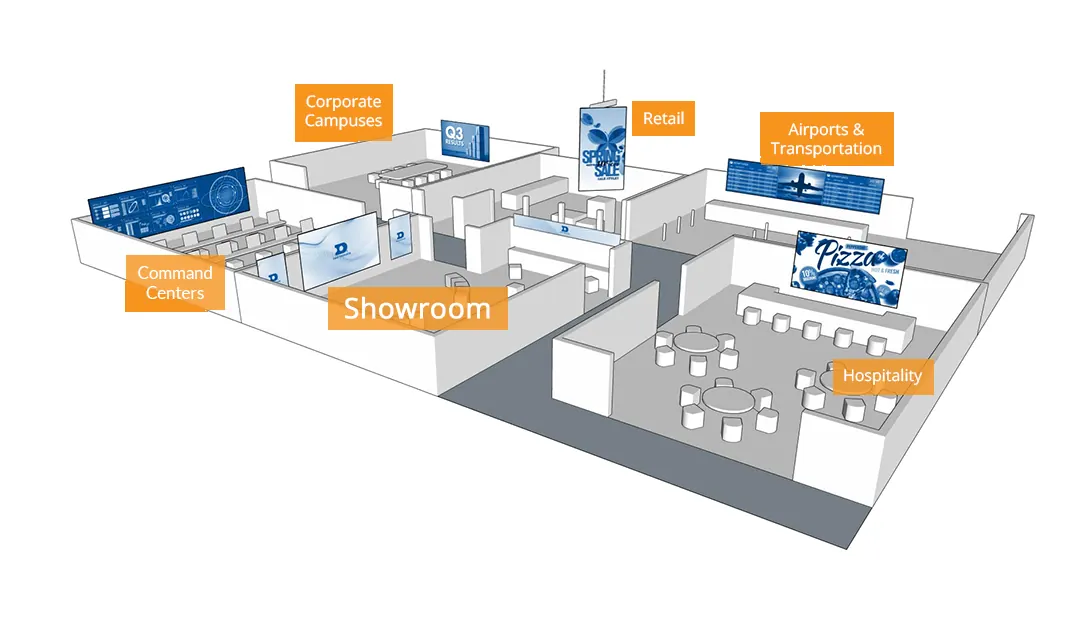 SG Steady GlowIndoor Fixed LEDP1.25 – P4.0
 PL Pure LightIndoor Fixed Hard-Connection LEDCable-free hard connectionCOB Fine Pitch LED→
 OG Obsidian GlowCOB Fine Pitch LEDCOB · flip-chipView all product series →Not sure which series fits your project? Get a Recommendation →