Ask ten rental technicians about LED control systems and you will start an argument that outlasts the load-in. Novastar and Brompton are the two names that dominate professional LED processing, and both are excellent — but they are excellent in different ways, and choosing between them is a real decision with cost and workflow consequences.
Where each system comes from
Novastar, headquartered in Xi’an, China, grew alongside the LED manufacturing industry itself. Its processors and receiving cards ship with an enormous share of the world’s LED cabinets, which makes Novastar the default ecosystem: broad product range from budget to flagship, deep integration with cabinet makers, and a global technician base who learned on its software. Brompton Technology, based in London, came from the broadcast and touring world. Its Tessera processors were designed for camera-facing work — concerts, film and TV — and built a reputation on image processing quality rather than volume.
The practical differences that matter
Image processing philosophy. Brompton’s strength is what happens to the picture: colour management, low-brightness grayscale handling, shutter-friendly output and per-frame accuracy that broadcast engineers trust. Features like shutter synchronisation and precise colour calibration tools reflect a cinema-and-broadcast heritage. Novastar’s processing has improved dramatically at the flagship tier, but its historic strength is pipeline robustness and cabinet compatibility at scale.
Ecosystem and availability. Novastar receiving cards are pre-installed in a vast share of cabinets worldwide, and spares are available almost anywhere within days. Brompton receiving cards are more commonly specified into premium cabinets or retrofitted by rental companies standardising on Tessera. If you buy cabinets from a mainstream manufacturer without specifying, you will likely receive Novastar by default.
Software workflow. Brompton’s Tessera software is praised for logical project management across complex multi-screen shows. Novastar’s toolchain covers everything from simple single-processor setups to massive distributed installations, with a learning curve that reflects its breadth. Technician availability often decides here: the best system is the one your crew already knows.
Price position. Brompton sits firmly in the premium bracket and is priced accordingly. Novastar spans from entry-level to flagship, generally undercutting Brompton at comparable capability tiers.
How to choose
- Broadcast, film, XR and headline touring: Brompton’s camera-facing pedigree and colour tools justify the premium when the screen lives on camera.
- Fixed installations and mainstream rental: Novastar’s ecosystem, spares availability and price-performance usually win, especially where local technician familiarity matters.
- Mixed fleets: many rental companies run both — Brompton on the premium touring inventory, Novastar on corporate and fixed work. The systems coexist; cabinets can be re-carded as needs evolve.
Neither choice is wrong. The mistake is choosing by brand loyalty instead of by the actual demands of your shows, your crew and your spare-parts shelf.
Redundancy and show-critical design
Both ecosystems support signal redundancy, but the implementations differ in philosophy and cost. For show-critical work — a live broadcast or an arena final — discuss fibre backup loops, hot-standby processors and how each system behaves during a mid-show switchover. The relevant question is not whether redundancy exists on the datasheet, but how the failover looks: a frame-perfect switch is invisible to the audience, while a poor one blacks out sections for seconds. Ask to see a demonstrated failover on the exact processor generation you are buying.
Total cost of ownership
Compare systems on five-year cost, not purchase price. Receiving cards fail occasionally in rental life; processor generations age out of software support; technicians command different day rates for different ecosystems. A cheaper processor that your crew operates fluently beats a premium unit that needs a flown-in specialist for every show. Conversely, for a permanent broadcast installation, the premium system’s calibration and support tooling may pay for itself in avoided service visits. Map the cost conversation to your actual operation — the spreadsheet rarely matches the price list.
The honest summary
Specify Brompton where the screen’s primary audience is a camera and the budget supports it. Specify Novastar where ecosystem breadth, local support and price-performance drive the decision. And in both cases, buy from a cabinet manufacturer who knows the chosen system deeply — the integration between cabinet and controller is where specification sheets become real-world reliability.
Calibration and long-term colour consistency
One area where the two ecosystems genuinely diverge is calibration workflow. Brompton’s tooling grew out of broadcast demands, where multi-camera colour matching is non-negotiable, and its per-module calibration handling is deeply integrated into the Tessera pipeline. Novastar offers capable calibration systems of its own, and at the flagship tier the practical results converge — but the workflows feel different, and calibration data portability between platforms remains limited. For buyers, the actionable advice is simple: whichever ecosystem you choose, commit to its calibration discipline from day one. Keep calibration files archived with project documentation, re-verify uniformity after every module replacement, and budget a recalibration pass for screens approaching mid-life. The best processor in the world cannot compensate for a screen whose calibration records were lost in a laptop upgrade.
Side-by-side summary
|
Novastar |
Brompton |
| Heritage |
Grew with the LED manufacturing industry (Xi’an, China) |
Broadcast and touring world (London, UK) |
| Core strength |
Pipeline robustness and cabinet compatibility at scale |
Image processing: colour management, low-brightness grayscale, camera-facing accuracy |
| Ecosystem |
Receiving cards pre-installed in a vast share of cabinets; spares available almost anywhere |
Specified into premium cabinets or retrofitted by Tessera-standardised rental companies |
| Software workflow |
Covers simple setups to massive distributed installations; broader learning curve |
Tessera software praised for multi-screen show management |
| Price position |
Entry-level to flagship; generally undercuts at comparable tiers |
Firmly premium |
| Best fit |
Fixed installations, mainstream rental, price-performance decisions |
Broadcast, film, XR, headline touring |
Common questions
Can Novastar and Brompton coexist in one rental fleet?
Yes — many rental companies run Brompton on premium touring inventory and Novastar on corporate and fixed work. Cabinets can be re-carded as needs evolve, so the decision is not permanent.
Does the processor choice affect what the camera sees?
Significantly. A 7680Hz cabinet behind a processor with poor frame handling still produces a compromised result on camera. Specify the figure for the complete signal path — cabinet, receiving card and processor.
Which is cheaper to own over five years?
It depends on your operation. A cheaper processor your crew runs fluently beats a premium unit that needs a flown-in specialist per show; a permanent broadcast installation may recoup the premium through calibration and support tooling. Map total cost to your actual workflow, not the price list.
Talk to us about your project
Every project in this guide starts with the same step: a conversation about your site, your content and your budget. Explore the Traveling Light series to see how we build for this application, or contact our engineering team for a specification review and a side-by-side demo proposal.
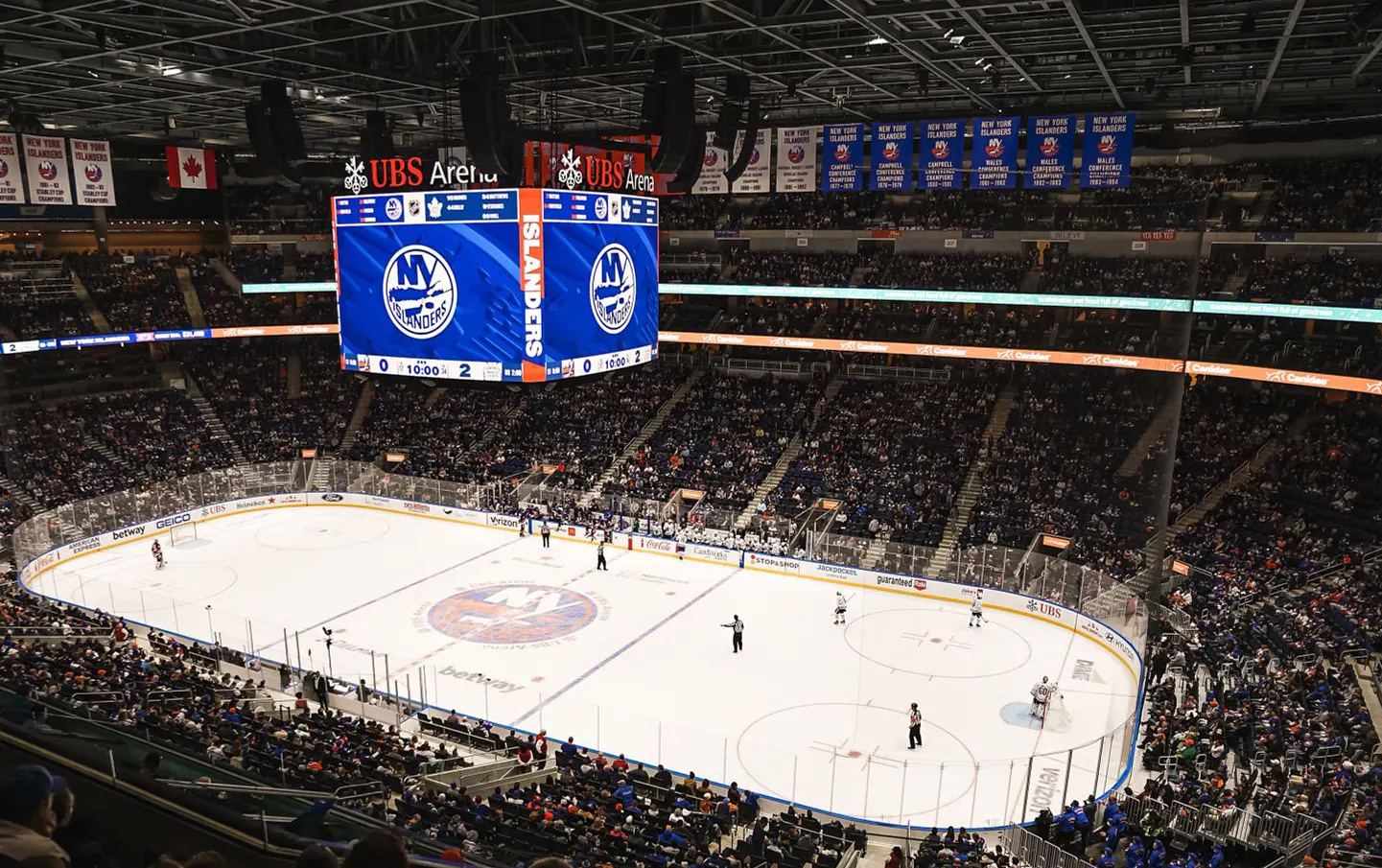 TL Traveling LightRental & Touring LEDP1.25 – P3.91
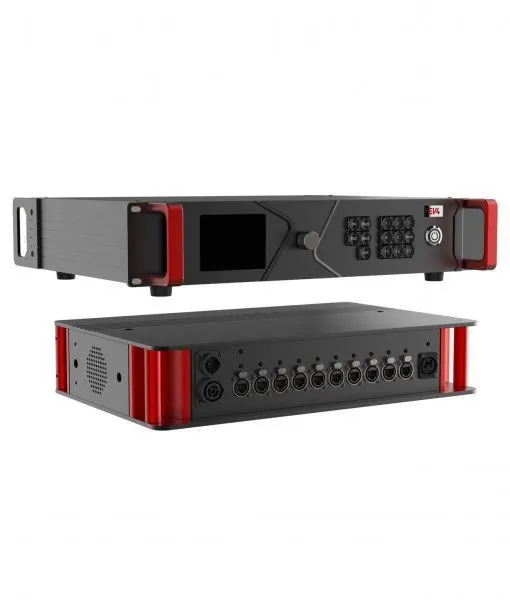 BL Beam LockRental Hard-Connection LEDCable-free hard connectionIndoor Fixed LED→
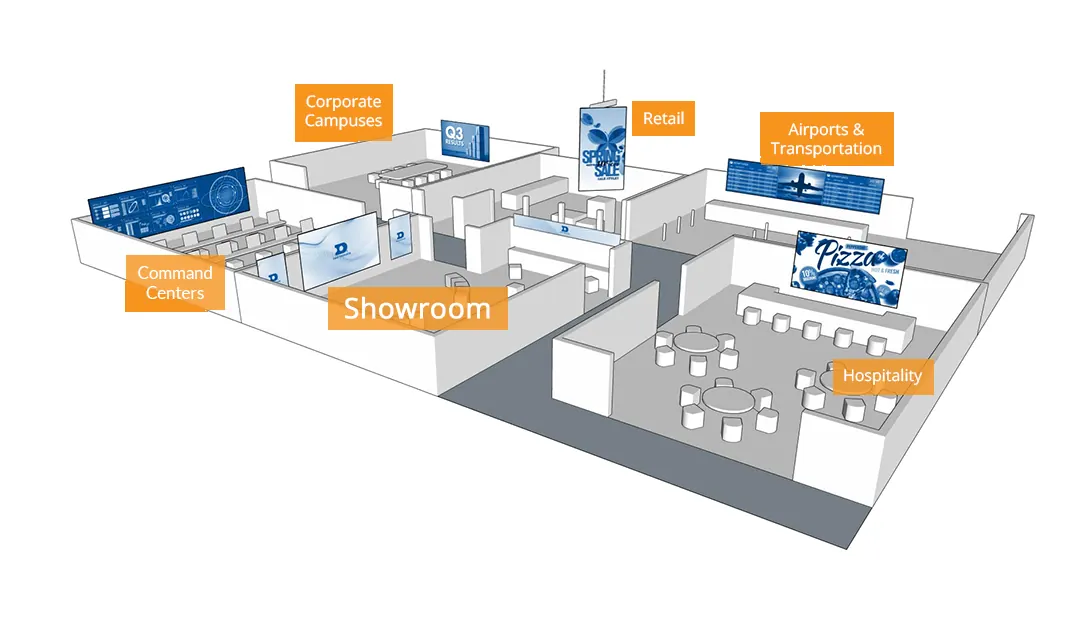 SG Steady GlowIndoor Fixed LEDP1.25 – P4.0
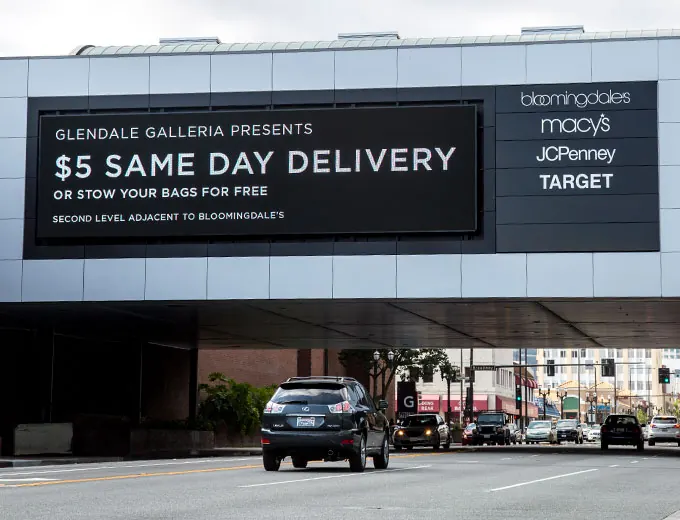 PL Pure LightIndoor Fixed Hard-Connection LEDCable-free hard connectionCOB Fine Pitch LED→
 OG Obsidian GlowCOB Fine Pitch LEDCOB · flip-chipView all product series →Not sure which series fits your project? Get a Recommendation →