Most outdoor LED failures are not caused by the LEDs. They are caused by water that found a way in, heat that had no way out, or a connector that corroded quietly for two seasons before anyone noticed. Weatherproofing is where outdoor projects are won or lost — and it is decided in details that never appear in marketing photos.
IP ratings: what the numbers really tell you
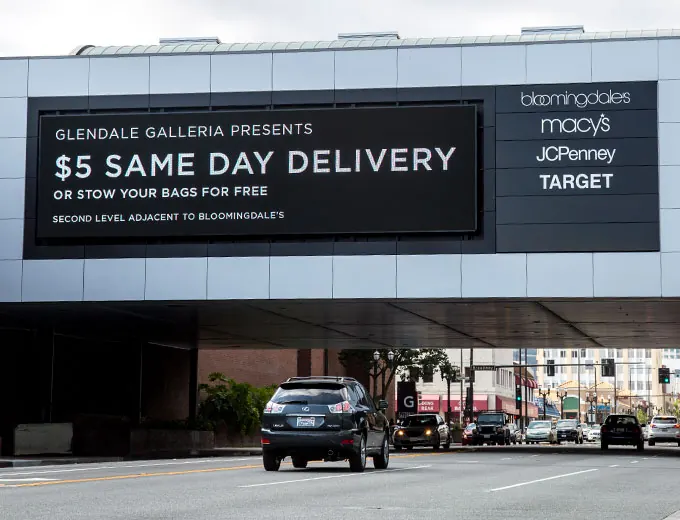
An IP rating has two digits: solids protection, then liquids. For outdoor LED, the figures that matter are the second digit and the test conditions behind it. IP65 means protection against low-pressure water jets from any direction — adequate for most facades and billboards. IP54 handles splashing but not driven rain at pressure. Some manufacturers quote IP65 for the front face only, leaving the rear at IP54; that is acceptable for a sealed wall mount, dangerous for an open steel structure where wind drives rain behind the screen.
Ask two questions before trusting any rating: which faces does it cover, and was the test done on the complete cabinet including connectors — or on a bare panel sample? The gap between those two answers is where most water ingress happens.
Drainage and ventilation: the details that decide lifespan
Even a well-sealed cabinet accumulates condensation as temperatures swing day to night. Good outdoor cabinets provide designed drainage paths and breathable membranes that let moisture escape without letting water in. Retrofit installations fail when installers seal every opening with foam and silicone — the cabinet then traps its own condensation.
Heat is the second enemy. Direct sun can drive internal cabinet temperatures far above ambient, and every 10 °C of sustained excess heat roughly halves electronic component life. Rear ventilation channels, sun shields on the cabinet back, and — for large walls — assisted airflow all extend service life. If your site faces afternoon sun, discuss thermal design with the same seriousness as brightness.
Connectors, cabling and corrosion
Field experience is consistent: connectors fail before modules do. Specify locking, gasketed connectors rated for outdoor UV exposure, and route cables so no connector sits in a water path or a low point. In coastal or industrial atmospheres, ask about conformal coating on PCBs and corrosion-resistant cabinet hardware. These line items add little cost at order time and enormous cost when skipped.
Wind load and structure
Weatherproofing includes the structure. A large outdoor wall presents real sail area, and the mounting steel must be engineered for local wind loads with proper safety factors. Reputable suppliers provide cabinet mounting drawings and load data for your structural engineer; if that documentation is not forthcoming, neither should the order be.
Commissioning and the maintenance calendar
Weatherproofing is verified, not assumed. At commissioning: hose-test suspect seams, torque-check mounting hardware, photograph connector dressing for the maintenance file, and record baseline brightness and thermal readings. Then keep a calendar — seal inspection annually, connector check after major storms, thermal comparison each summer. Most catastrophic outdoor failures announce themselves months in advance to anyone who looks; the calendar makes sure someone looks.
Bottom line
Buy the IP rating that matches the exposure on every face of the installation, respect the cabinet’s designed drainage and ventilation instead of sealing it shut, protect connectors from water paths, and document everything at commissioning. Do those four things and weather becomes a non-issue for the life of the screen.
Coastal, desert and cold climates
Standard weatherproofing assumes a temperate site. Extreme climates need explicit conversation. Coastal installations face salt-laden air that corrodes connectors and cabinet hardware within a few seasons — specify marine-grade coatings and stainless fasteners, and shorten the inspection calendar. Desert sites combine extreme daytime heat with fine dust that clogs ventilation; filtration and thermal headroom matter more than rain sealing. Cold climates bring the opposite stress: condensation during warm-up cycles, brittleness in cable jackets below rated temperatures, and slow-start behaviour in power supplies. Quality manufacturers offer climate-specific configurations, but only if you tell them where the screen will live. “Outdoor” is not a climate — give your supplier the real conditions, including the worst week of the year, not the average.
Insurance and documentation
One last practical point: photograph everything at installation — sealed seams, connector dressing, drainage paths, torque marks. If a water-ingress warranty claim ever arises, that photographic record is the difference between a fast replacement and a long argument about installation fault versus product fault.
Choosing the right service access
Weatherproofing decisions intersect with maintenance strategy. Rear-service cabinets need a weatherproofed maintenance corridor — which itself must drain and ventilate — while front-service designs eliminate the corridor but put more sealing burden on module faces and locks. Neither is universally better. Open-structure rooftop installations often favour front service; wall-mounted facades with building cavities behind them favour rear. What matters is deciding this before the steel is fabricated, because retrofitting service access into a sealed structure is where weatherproofing goes to die: every improvised penetration is a future leak. Bring the maintenance plan into the first design meeting and the weatherproofing will take care of itself.
Quick reference: IP ratings and what they cover
| Rating / element |
What it means |
When it is enough |
| IP54 |
Splash protection |
Sheltered positions only — not driven rain at pressure |
| IP65 |
Low-pressure water jets from any direction |
Most facades and billboards |
| Front IP65 / rear IP54 |
Face sealed, rear splash-rated |
Sealed wall mounts only — dangerous on open steel structures |
| Drainage & breathable membranes |
Lets condensation escape without letting water in |
Essential everywhere — never seal a cabinet shut with foam |
| Gasketed UV-rated connectors |
Locking, corrosion-resistant interconnects |
Essential — connectors fail before modules do |
Common questions
Is IP65 enough for every outdoor screen?
Usually, yes — but ask which faces the rating covers and whether the test used the complete cabinet with connectors. A front-only IP65 screen on an open structure leaves the rear exposed to wind-driven rain.
What kills outdoor screens most often?
Water that found a way in, heat that had no way out, and corroded connectors. The LEDs themselves are rarely the failure point — which is why drainage, ventilation and connector protection matter more than the headline IP number.
Does climate change the specification?
Yes. Coastal sites need marine-grade coatings and stainless fasteners; desert sites need filtration and thermal headroom; cold climates stress cable jackets and condensation cycles. Tell your supplier the real worst week of the year, not the average.
Talk to us about your project
Every project in this guide starts with the same step: a conversation about your site, your content and your budget. Explore the Sun Flare series to see how we build for this application, or contact our engineering team for a specification review and a side-by-side demo proposal.
 TL Traveling LightRental & Touring LEDP1.25 – P3.91
 BL Beam LockRental Hard-Connection LEDCable-free hard connectionIndoor Fixed LED→
 SG Steady GlowIndoor Fixed LEDP1.25 – P4.0
 PL Pure LightIndoor Fixed Hard-Connection LEDCable-free hard connectionCOB Fine Pitch LED→
 OG Obsidian GlowCOB Fine Pitch LEDCOB · flip-chipView all product series →Not sure which series fits your project? Get a Recommendation →