ArcluminEngineered for real projects
-
Products
Rental LED→
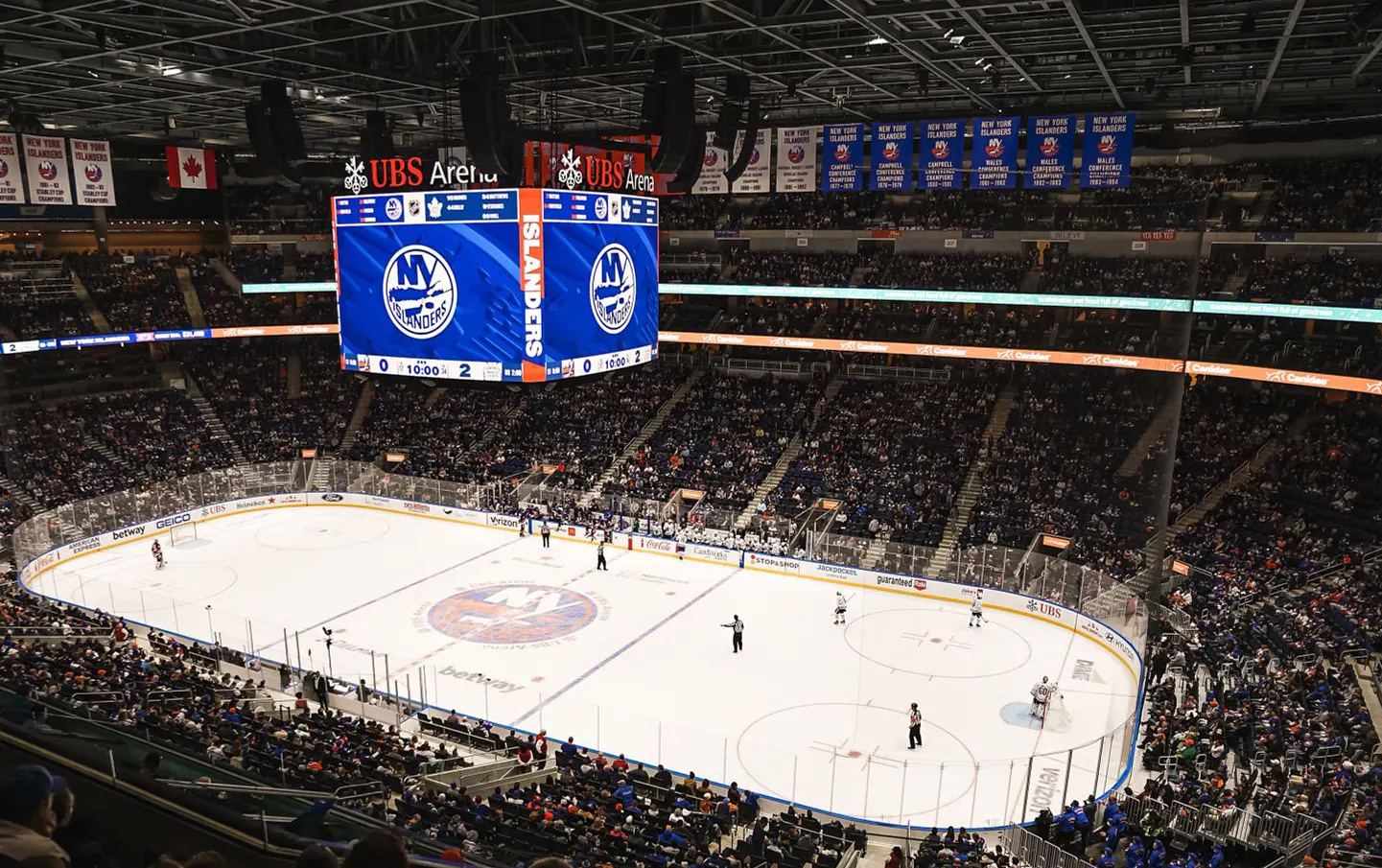 TL Traveling LightRental & Touring LEDP1.25 – P3.91
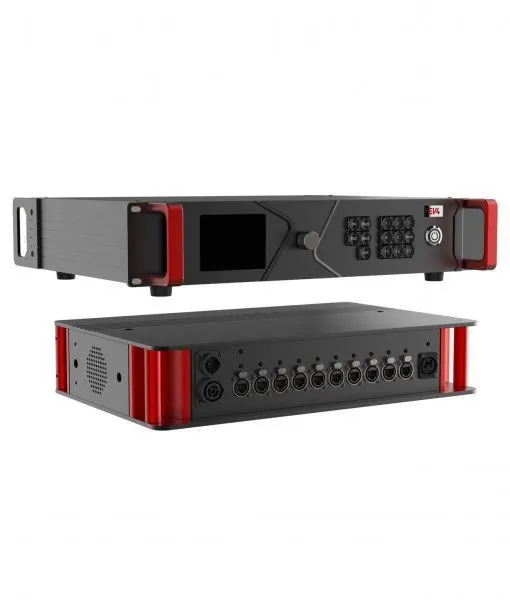 BL Beam LockRental Hard-Connection LEDCable-free hard connectionIndoor Fixed LED→
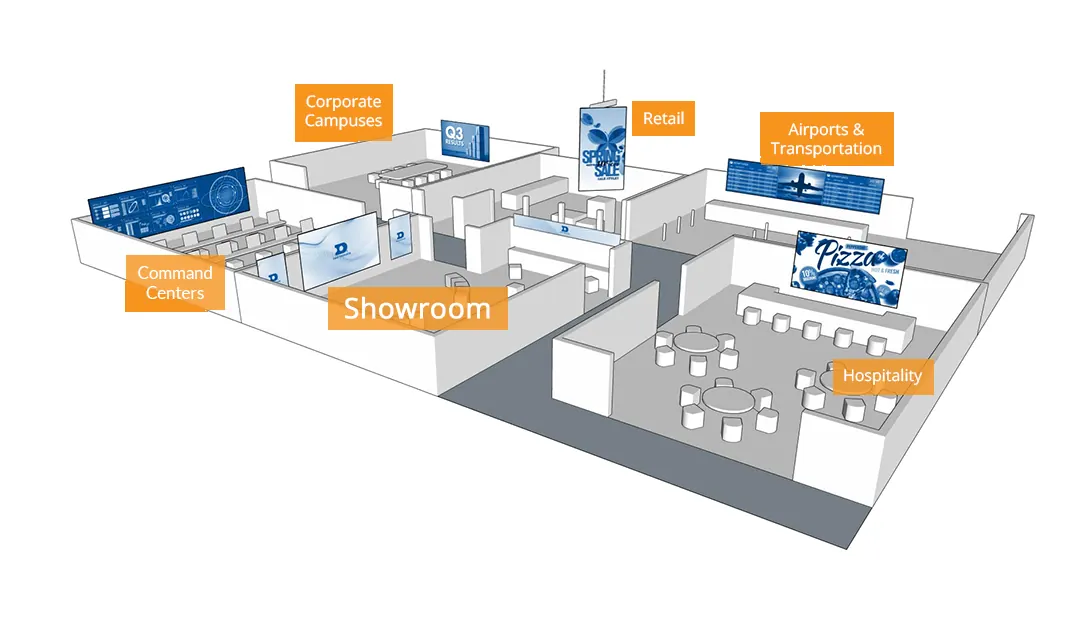 SG Steady GlowIndoor Fixed LEDP1.25 – P4.0
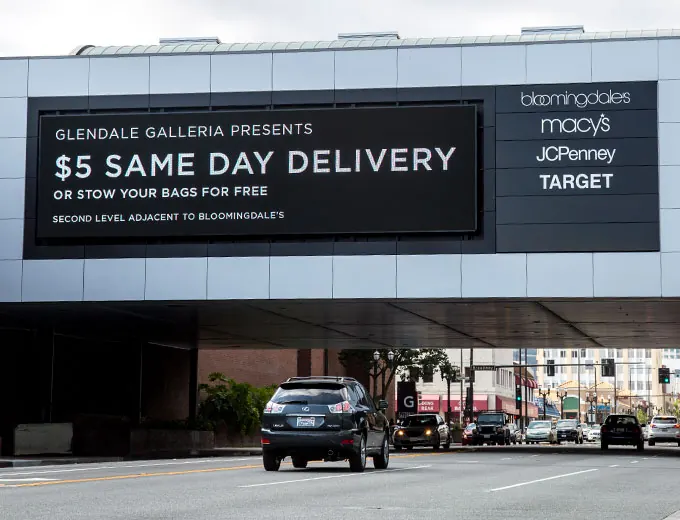 PL Pure LightIndoor Fixed Hard-Connection LEDCable-free hard connectionCOB Fine Pitch LED→
 OG Obsidian GlowCOB Fine Pitch LEDCOB · flip-chipView all product series →Not sure which series fits your project? Get a Recommendation →
 - Solutions
-
Projects
By Product Category
- Insights
- Support
- About